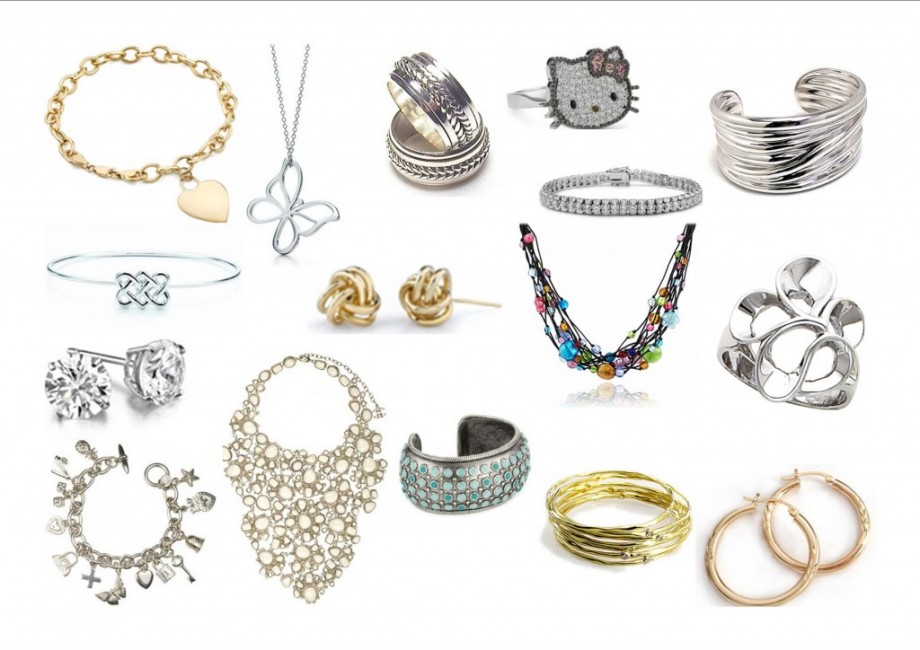
How to Authenticate Vintage and Second-Hand Designer Accessories

The global market for second-hand and vintage luxury accessories has experienced unprecedented growth. As consumers increasingly prioritize sustainability and timeless style over fast fashion, demand for archival pieces from legacy design houses has skyrocketed. However, this surge in demand has naturally coincided with an influx of highly sophisticated counterfeit goods, commonly referred to in luxury circles as “super fakes.” These high-tier replicas can easily deceive the untrained eye, mimicking high-grade leathers, weight metrics, and complex brand stamping.
True authentication is an cross-disciplinary practice. It requires an intimate understanding of fashion history, material science, and manufacturing shifts across different decades. To safely navigate the secondary luxury market, collectors must look beyond overall aesthetics and critically analyze the micro-details of construction, hardware engineering, and brand-specific coding systems.
Material Analysis and Structural Integrity
The foundational pillar of luxury authentication lies in the tactile and structural properties of the materials used. Heritage brands have built their reputations on sourcing superior textiles, exotic skins, and premium calfskins. Counterfeits frequently cut costs by utilizing synthetic polymers or inferior splits of leather that are heavily coated in plastic finishes.
Assessing the Leather Texture and Aroma
Authentic vintage leather from fashion houses like Hermes, Chanel, or Louis Vuitton undergoes specialized tanning processes that preserve the natural integrity of the hide. Full-grain and top-grain leathers retain visible pores, subtle organic irregularities, and an adaptive responsiveness to temperature. When you place your hand on a genuine designer piece, the leather should warm to your body temperature within seconds. Faux leather or heavily processed low-grade leather will remain cold, rigid, and distinctly plasticky.
Furthermore, the sense of smell is an invaluable tool. Vintage luxury items possess a characteristic rich, earthy aroma of aged leather, or they reflect the neutral scent of clean storage. If an accessory emits a sharp, chemical odor resembling petroleum, synthetic adhesives, or industrial dye, it indicates modern counterfeit manufacturing.
Structural Integrity and Edge Paint
Luxury accessories are engineered to maintain structural balance over decades. When placed on a flat surface, an authentic handbag or structured wallet should not lean, sag prematurely, or exhibit asymmetrical distortion unless subjected to severe storage abuse.
Pay close attention to the edge paint, known as the glazing, on leather straps, handles, and seams. Authentic heritage craftsmanship involves applying multiple ultra-thin layers of edge coating, followed by meticulous sanding and polishing to create a perfectly smooth, durable barrier. Counterfeit items often feature thick, uneven, or sticky glazing that overflows onto the adjacent stitching. Over time, counterfeit edge paint tends to crack cleanly away from the fabric, whereas vintage luxury glazing wears down smoothly and evenly.
Precision Stitching and Thread Metrics
Because luxury houses historically relied on master artisans, stitching consistency is an ironclad indicator of legitimacy. Modern replica factories use automated, high-speed sewing machines that prioritize output volume over precision, leading to distinct structural errors.
-
Stitch Count Metrics: Many elite brands maintain strict stitch count regulations for specific models. For instance, classic Chanel quilted bags typically feature a minimum of ten to eleven stitches per edge of each diamond pane. This high density prevents the leather from puckering and maintains the puffiness of the quilt. Counterfeit variants regularly use lower stitch counts, ranging from five to seven stitches per inch, resulting in elongated threads and flat, lifeless quilting.
-
Thread Composition and Tension: Authentic vintage stitching uses high-tensile, waxed linen or silk threads that blend harmoniously with the color of the textile. The tension must be perfectly uniform; no single stitch should pierce deeper into the hide than its neighbor. Look for signs of machine stress, such as skipped stitches, frayed fibers, or double-stitching where a machine line went off-track and required manual correction.
-
The Angle of the Stitch: Brands like Hermes utilize a traditional saddle stitch, which is executed by hand using two needles on opposite ends of a single thread. This technique creates a beautiful, slightly slanted herringbone pattern. Automated counterfeit machinery generally produces straight, lock-stitch formations that run completely parallel to the edge of the leather.
Hardware Composition and Tooling Engravings
Hardware can be extraordinarily difficult for counterfeiters to replicate accurately due to the high cost of base metals and the specialized smelting equipment required for clean engravings.
Weight and Metallurgy
Vintage designer hardware from the mid-to-late twentieth century was predominantly forged from solid brass, steel, or precious metals, such as 24-karat gold plating in the case of vintage Chanel pieces produced prior to 2008. Consequently, authentic hardware feels remarkably heavy, cold, and substantial in the hand. Counterfeiters generally utilize zinc alloys, aluminum, or hollow plastics treated with a superficial electroplated finish. These replica components feel noticeably lightweight, warm up instantly when touched, and sound hollow or tinny when clacked together.
Laser Engraving vs. Mechanical Stamping
Inspect the typography, depth, and crispness of all logo engravings on zippers, clasps, buckles, and rivets. Authentic vintage production favored mechanical stamping or die-striking methods, which press clean, sharply defined characters into the metal with uniform depth.
Conversely, counterfeit factories rely heavily on computerized laser engraving. Laser work melts the metal superficially rather than stamping it, leaving behind a shallow, slightly burnt or grainy texture within the valleys of the letters. Furthermore, the font spacing, known as kerning, must align precisely with the brand standards of that specific production era.
Decoding Serial Numbers, Date Codes, and Typography
Branding stamps and internal serialization systems act as the historical DNA of a luxury accessory. Knowing how to read these markers helps determine the precise year and factory of origin.
Heat Stamps and Typography
The interior heat stamp, which states the brand name and the country of manufacture, is a highly controlled element. Authentic stamps are executed using precise heat and pressure, leaving a crisp, legible impression where the gold or silver foil sits perfectly inside the debossed groove.
Counterfeit stamps are often blurry, off-center, or show foil bleeding outside the lettering boundaries. Always evaluate the specific font anatomy. For example, on a genuine vintage Louis Vuitton heat stamp, the letter “O” must form a perfect, wide circle rather than a vertical oval, and the two horizontal arms of the letter “T” should sit so close together that they almost touch.
Chronological Serialization
Most luxury houses introduced systematic date codes or serial numbers during the late 1970s and 1980s. When analyzing a vintage accessory, the format of the serial code must structurally align with the alleged year of manufacture. For instance, vintage Louis Vuitton items from the 1980s utilize a three-number or four-number system accompanied by two letters representing the factory location, such as “824 VX.” A common error on replica bags is the placement of a modern, post-2000 format code into a style of bag that was strictly discontinued by 1990.
Frequently Asked Questions
Does the lack of a serial number mean a vintage accessory is automatically fake?
No. Many iconic luxury brands did not implement systematic serialization or date-coding tracking until the late twentieth century. For example, Louis Vuitton did not utilize internal date codes reliably across all items prior to 1982. Similarly, Gucci and classic French fashion houses often relied solely on delicate fabric woven labels or simple gilt script stamps that could easily wear away entirely due to friction, use, and cleaning over decades of ownership.
How can I spot a counterfeit zipper on a vintage item?
Zippers are fantastic indicators of authenticity. Major fashion houses historically outsourced their zipper production to specialized, high-end manufacturers rather than creating proprietary zipper tracks. When inspecting a vintage item, look at the underside or the slider body of the zipper. You should find markings from historic, high-quality manufacturers such as Lampo, Riri, Eclair, Talon, or YKK. If the zipper track jams frequently, feels rough, catches on the fabric lining, or features completely unbranded, rough-edged sliders, the item requires deep scrutiny.
Why do some authentic vintage items look different from modern versions of the same model?
Luxury houses consistently update their manufacturing practices, sourcing contracts, and brand aesthetics over time to increase efficiency or counter piracy. A vintage piece from the 1970s or 1980s will naturally display different logo fonts, lining materials, and hardware weights compared to a modern reissue found in boutiques today. Authentic vintage items often exhibit elements that would be considered anomalies on modern bags, such as raw leather interiors or hand-stamped branding plates that lack modern mathematical symmetry.
What is the windowpane effect in counterfeit luxury quilting?
The windowpane effect refers to a specific structural flaw found in poorly produced counterfeit quilted items, most notably seen on imitation Chanel accessories. In an authentic quilted piece, the diamond patterns match up seamlessly across panels, exterior pockets, and flap closures, maintaining a continuous, uninterrupted visual line. Counterfeiters often fail to calculate the material wrap correctly, causing the lines to offset or misalign at the seams, which creates a disruptive grid or windowpane look.
Can authentic vintage designer jewelry tarnish over time?
Yes, vintage designer costume jewelry is highly susceptible to tarnishing and natural aging. Heritage brands frequently utilized heavy gold plating over base metals like brass or bronze. Over decades, exposure to oxygen, skin oils, moisture, and perfumes can cause the underlying base metals to oxidize, resulting in a dark green or coppery patina known as verdigris. The presence of tarnish or natural aging does not indicate a replica; rather, you must evaluate the weight of the metal, the clarity of the maker stamps, and the setting style of any glass stones or poured resins.
Is an authenticity card a reliable guarantee that a second-hand item is real?
Authenticity cards are frequently the easiest elements for counterfeit factories to replicate. In the secondary market, fake authenticity cards are regularly paired with genuine vintage items to mask systemic flaws, or they are included with modern replicas to fool novice buyers. When evaluating a card, check the text for spelling mistakes, grammatical errors, and font uniformity. Authentic cards should feature crisp, centered printing, thick cardstock, and crisp edge cuts rather than flimsy, laminate plastic with rainbow-hued edges.
How do I verify the authenticity of vintage silk accessories like scarves?
Authentic vintage silk items, such as heritage scarves, are defined by their fabric weight and printing precision. Genuine luxury silk is heavy, substantial, and features a hand-rolled, hand-stitched hem that rolls toward the printed side of the fabric. Counterfeit silk scarves are usually made from thin, lightweight polyester blends that feel slippery or overly glossy, and they typically feature flat, machine-stitched edges. Additionally, look at the screen-printing clarity; the colors on a genuine scarf will penetrate deeply into the fibers, making the design nearly as vibrant on the reverse side as it is on the front.