Choosing Clothing Colors That Match Your Skin Tone
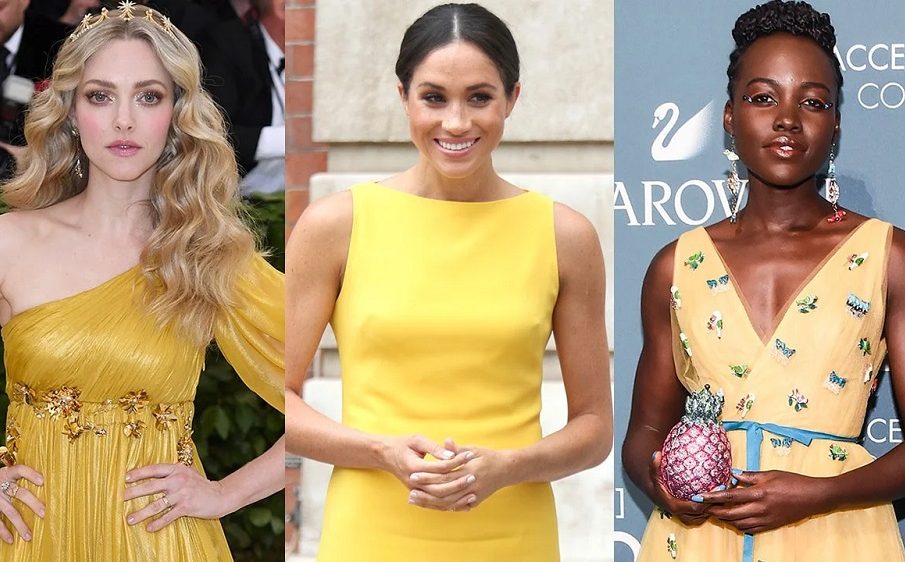
Have you ever put on a shirt that looked incredible on the hanger, only to look tired or washed out when you checked the mirror? The issue is not the clothing item itself. The issue is a mismatch between the fabric color and your natural skin tone.
Dressing well requires an understanding of your personal color profile. When you wear shades that complement your skin, your eyes look brighter, your skin appears healthier, and your entire outfit looks cohesive. When you wear conflicting colors, you can end up looking drained or overly yellow.
Learning how to pair garment shades with your unique complexion simplifies shopping and ensures that every piece in your wardrobe works in your favor.
Understanding Surface Tone Versus Undertone
To build a functional wardrobe, you must recognize the distinction between your surface skin tone and your skin undertone.
Surface tone is the color you identify at a glance, such as fair, medium, olive, or deep. This layer can alter based on environmental factors, including sun exposure, seasonal changes, or skin conditions like rosacea.
Undertone is the permanent, subtle color beneath the surface. It never changes, whether you have a summer tan or winter paleness. Undertones generally fall into three categories:
-
Cool: Hints of blue, pink, or rosy red beneath the skin surface.
-
Warm: Underlying hues of yellow, peach, golden, or honey.
-
Neutral: A balanced mix of warm and cool tones, or a complexion that matches your surface tone directly without obvious underlying colors.
Simple Tests to Determine Your Undertone
You do not need professional equipment to uncover your undertone. You can figure it out at home using a few simple tests. For the most accurate results, wash off any makeup, remove colorful jewelry, and stand in direct, natural daylight. Artificial room lighting can cast yellow or blue tints that distort your natural coloration
1. The Wrist Vein Test
Examine the veins on the inside of your wrist under natural sunlight.
-
If your veins look blue or purple, you possess a cool undertone.
-
If your veins display a greenish tint, you have a warm undertone. This happens because the yellow tint of your skin acts like a filter over your naturally blue veins.
-
If you struggle to tell whether they are green or blue, or if they look blue-green, you likely fall into the neutral category.
2. The White Paper Test
Hold a plain, clean piece of white printer paper next to your bare face in front of a mirror. Observe how your skin looks in comparison to the stark white sheet.
-
If your skin looks pink, rosy, or blue-toned, your undertone is cool.
-
If your skin looks yellow, golden, or peach-toned, your undertone is warm.
-
If your skin appears grayish, ash-colored, or simply neutral without a distinct yellow or pink cast, you possess a neutral or olive undertone.
3. The Jewelry Test
Think about whether you look better in bright silver or bright yellow gold jewelry. This test is about how the metal interacts with your skin tone, not your personal style preference.
-
Silver jewelry brings out a healthy glow in cool undertones, while gold can make cool skin look slightly sickly.
-
Gold jewelry illuminates warm complexions, whereas silver can look dull or cold against warm skin.
-
Both metals look equally flattering on neutral undertones without washing them out.
4. The Sun Exposure Test
Consider how your skin responds to sun exposure.
-
If you burn easily and rarely tan, you likely have a cool undertone.
-
If you tan easily and rarely experience sunburn, you likely have a warm undertone.
Best Clothing Colors for Warm Undertones
If you have a warm undertone, you want to mimic the hues found in nature during autumn or a sunset. Rich, earthy colors complement your golden base.
-
Top Palette Choices: Turn to deep oranges, amber, golden yellows, honey, honey-brown, and warm terra-cotta. Warm reds like tomato red, coral, and peach also look exceptional.
-
Greens and Blues: If you want to wear cool colors, choose warm variations. Pick olive green, moss green, forest green, and warm turquoise or teal.
-
Neutrals to Lean On: Avoid pure white and stark black, which can overpower your features. Opt instead for cream, cream-white, camel, tan, espresso brown, and warm taupe.
-
Colors to Skip: Cool, icy shades like pastel blue, frosted pink, and silver can make your skin look dull and gray.
Best Clothing Colors for Cool Undertones
Cool undertones look best in colors reminiscent of winter landscapes or deep ocean waters. Your goal is to choose sharp, crisp colors with blue or purple bases.
-
Top Palette Choices: Bright jewel tones are your best option. Lean heavily into royal blue, sapphire, emerald green, deep amethyst purple, and vibrant plum.
-
Pinks and Reds: Choose cool pinks like raspberry, fuchsia, orchid, and icy pink. For reds, select deep crimson, ruby, or burgundy rather than tomato reds.
-
Neutrals to Lean On: You look excellent in stark, bright white and clean black. Cool charcoal gray, heather gray, navy blue, and slate are your ideal neutral options.
-
Colors to Skip: Steer clear of golden yellows, muted oranges, ginger, and muddy browns. These hues clash with your blue undertones, making your complexion look tired.
Best Clothing Colors for Neutral Undertones
If you have a neutral undertone, your skin does not lean heavily toward warm or cool. This gives you the flexibility to wear colors from both sides of the spectrum. However, you will still find that certain color intensities serve you better than others.
-
Top Palette Choices: Soft, muted, or jade-like shades work beautifully. Look for dusty rose, lavender, soft jade green, sage green, and historical tones like antique blue.
-
Bright Accents: You can easily wear mid-range versions of true red, classic blue, and soft emerald.
-
Neutrals to Lean On: Off-white, soft charcoal, medium grays, and chocolate brown are excellent base colors for your wardrobe.
-
Colors to Skip: Avoid overly vibrant, neon colors that can overpower your balanced skin tone. Extremely intense shades can wash you out, making your face fade into the background.
Exploring the Seasonal Color Matrix
For a deeper approach to your wardrobe, styling professionals often split undertones and surface tones into four distinct seasonal palettes: Spring, Summer, Autumn, and Winter.
Spring (Warm and Light)
Spring complexions feature warm undertones paired with light hair and light eyes. If you belong in this group, choose clear, bright, and warm tones. Think champagne, bright coral, peach, aqua, golden yellow, and lime green. Avoid heavy, dark colors like navy or black close to your face.
Autumn (Warm and Dark)
Autumn complexions feature warm undertones paired with deep, rich hair and dark eyes. If you are an autumn, rich, earthy colors are perfect for you. Focus on burnt orange, mustard yellow, olive green, pumpkin, and rich chocolate brown. Steer clear of cool pastels and icy tones.
Summer (Cool and Light)
Summer complexions feature cool undertones paired with light hair and soft, light eyes. If you fall into this category, you look best in soft, muted, cool tones. Slate blue, lavender, pastel pink, powder blue, and sage look wonderful. Avoid high-contrast palettes like stark black or bright neon shades.
Winter (Cool and Dark)
Winter complexions feature cool undertones paired with high-contrast features, such as dark hair paired with very fair skin or deep dark skin paired with striking eyes. If you are a winter, highly saturated colors work best. Royal blue, true red, magenta, emerald, black, and pure white look fantastic. Avoid warm, muted earth tones like khaki and olive.
Universal Colors That Flatter Everyone
If you are buying clothes for an event and feel uncertain about your undertone, a few universal colors flatter almost every complexion. These specific shades contain a precise balance of warm and cool properties, preventing them from clashing with any skin tone.
-
True Red: This shade sits perfectly in the center of the color wheel, containing no distinct yellow or blue bias.
-
Teal: A mix of deep blue and deep green, teal looks sophisticated against both cool and warm skin.
-
Eggplant Purple: This deep purple acts as an elegant neutral, dark enough to ground an outfit without looking harsh.
-
Blush Pink: A very soft, pale pink that adds a healthy look to any face without leaning too warm or too cool.
Frequently Asked Questions
Can your skin undertone change as you age or tan?
No, your skin undertone remains exactly the same throughout your entire life. While your surface skin tone can darken from a tan, lighten in the winter, or gray slightly with age, the foundational undertone beneath the surface is determined by genetics and does not alter.
Why do some cool colors look good on me if I have a warm undertone?
This usually happens because you are choosing a cool color that contains warm characteristics. For example, a warm turquoise is technically a blue, but it contains a hint of yellow that allows it to harmonize with warm skin. You may also have a neutral-warm undertone, allowing you more flexibility with both palettes.
How does hair color affect the clothing shades you should wear?
Your hair color acts as a frame for your face and impacts your overall visual contrast level. While your skin undertone remains the primary guide for selecting flattering hues, your hair color determines whether bright, high-contrast shades or soft, muted tones look more balanced on you.
What should I do if my favorite color clashes with my skin tone?
You can still wear your favorite color by keeping it away from your face. Wear it in trousers, skirts, shoes, or handbags. Alternatively, you can balance out a clashing shirt by layering a universally flattering jacket or scarf close to your neck to protect your complexion from looking washed out.
Does makeup selection follow the same color rules as clothing?
Yes, makeup matches your skin undertone directly. Foundations, concealers, and powders are explicitly formulated with warm, cool, or neutral bases. Choosing the wrong undertone in makeup can make your face look unnaturally orange or ghostly gray compared to your neck.
How can I identify my undertone if I have a skin condition like rosacea?
Rosacea introduces a red surface tint that can mimic a cool undertone. To discover your true undertone, ignore your cheeks and look at the skin on your neck, chest, or behind your ears instead. These areas are unaffected by rosacea and will display your true, underlying warm, cool, or neutral base.
What is the difference between a neutral undertone and an olive undertone?
An olive skin tone is a specific variation that contains a distinct greenish or yellowish-gray cast. While olive complexions often display neutral qualities, they can lean toward a cool or warm base depending on the individual. True neutral tones lack this distinct green shade, sitting directly in the middle of red-pink and yellow-gold.