
The Hidden Dangers of E-Cigarettes: What You Need to Know
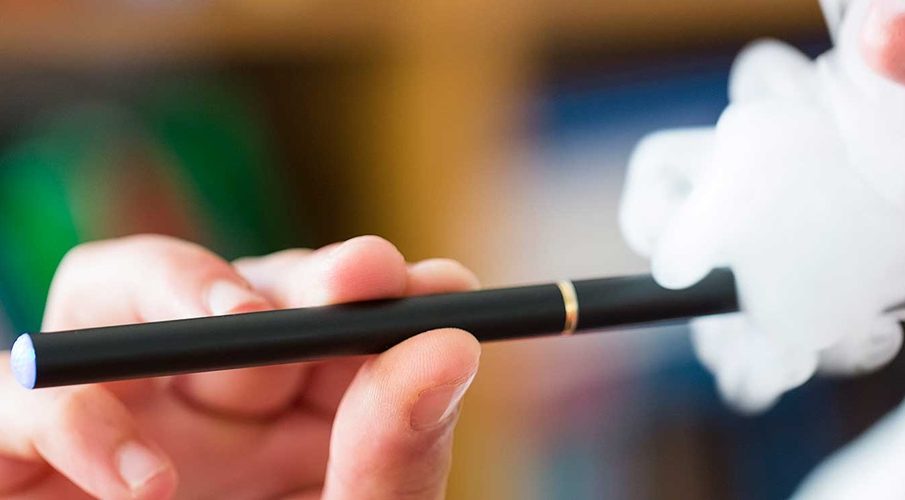
Walking through the busy streets of Bangkok or visiting night markets in Chiang Mai, you might have noticed a distinct shift in recent years. Clouds of sweet-smelling vapour are becoming as common as the humid air itself, despite strict laws surrounding their use. While many perceive vaping as a cleaner, safer alternative to traditional smoking, health experts are increasingly concerned about what lies beneath the sleek, tech-savvy exterior of these devices.
The perception that vaping is harmless water vapour is dangerously misleading. Inside that aerosol cloud is a complex chemical mixture. Users inhale substances like propylene glycol and vegetable glycerin, which are generally safe to eat but have unknown long-term effects when heated and breathed into the lungs. Furthermore, these devices often deliver nicotine at much higher concentrations than combustible cigarettes, deepening addiction rather than breaking it.
One specific area of concern involves the devices themselves and the liquids used in them. Refillable e-cigarettes (known as บุหรี่ไฟฟ้า แบบเติมน้ำยา in Thai) allow users to mix their own liquids or purchase vials from unregulated sources. This lack of quality control is particularly risky in Thailand, where the underground market thrives due to the official ban. Users often have no way of verifying the ingredients they are inhaling, leaving them vulnerable to contaminants like heavy metals, diacetyl (linked to lung disease), and other volatile organic compounds.
The Impact on Thai Youth
The rise of vaping among young people in Thailand is alarming. With fruity flavours and discreet designs that look like USB drives or pens, these products appeal directly to students. It is becoming harder for parents and teachers to spot usage, leading to earlier onset of nicotine addiction. The developing brain is highly sensitive to nicotine, which can disrupt attention, learning, and impulse control.
This trend complicates public health efforts. For decades, Thailand has been successful in reducing smoking rates through strict regulations and public campaigns. However, e-cigarettes threaten to reverse this progress by renormalising smoking behaviour. Young people who would never have picked up a traditional cigarette are now experimenting with vaping, potentially acting as a gateway to other tobacco products later in life.
Unseen Health Risks
Beyond addiction, the physical toll is significant. Recent studies link vaping to increased risks of heart attacks and chronic lung diseases. E-cigarette or Vaping Use-Associated Lung Injury (EVALI) has emerged as a serious medical condition, causing severe respiratory distress in otherwise healthy individuals. The heating elements in the devices can also release toxic metal particles like nickel, tin, and lead directly into the user’s system.
Batteries in poorly manufactured devices pose another physical danger, with reports of explosions causing severe burns and facial injuries. Because the market in Thailand operates in the shadows, safety standards are non-existent. Consumers have no recourse if a device malfunctions or causes harm.
A Call for Awareness
Understanding these risks is vital for making informed health decisions. While the marketing suggests a harmless lifestyle choice, the medical reality paints a different picture. The chemicals, the addiction potential, and the lack of regulation create a perfect storm for future health crises.
For those looking to quit smoking, evidence-based methods like nicotine replacement therapy or medical counselling remain the safest path. Relying on an unregulated, chemical-laden alternative may simply be trading one set of dangers for another, potentially more complex, set of health problems. Staying informed is the best defence against the hidden hazards of this growing trend.