
The Real Cost of Free Shipping for Retailers
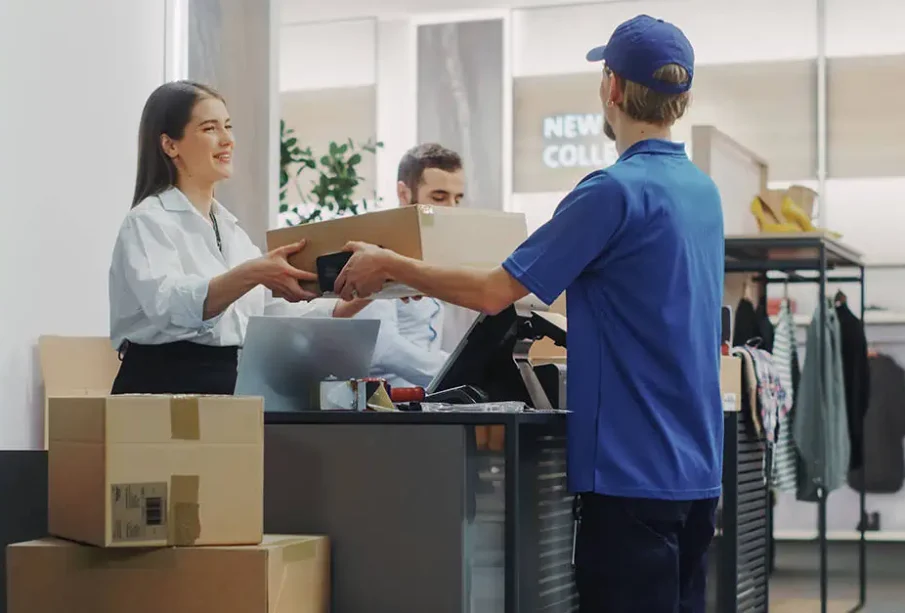
Free shipping has become an expectation rather than a perk. Shoppers often abandon carts when delivery fees appear, pushing retailers to offer “free” shipping to stay competitive. But behind the promise lies a complex reality. Free shipping is rarely free for retailers, and its true cost affects pricing, margins, and long-term sustainability.
Why Free Shipping Became the Industry Standard
Online giants reshaped customer expectations by making fast, free delivery the norm. Smaller and mid-sized retailers followed to avoid losing sales.
Free shipping appeals to shoppers because it:
- Simplifies purchase decisions
- Feels like instant savings
- Reduces checkout friction
For retailers, however, it introduces hidden financial pressure.
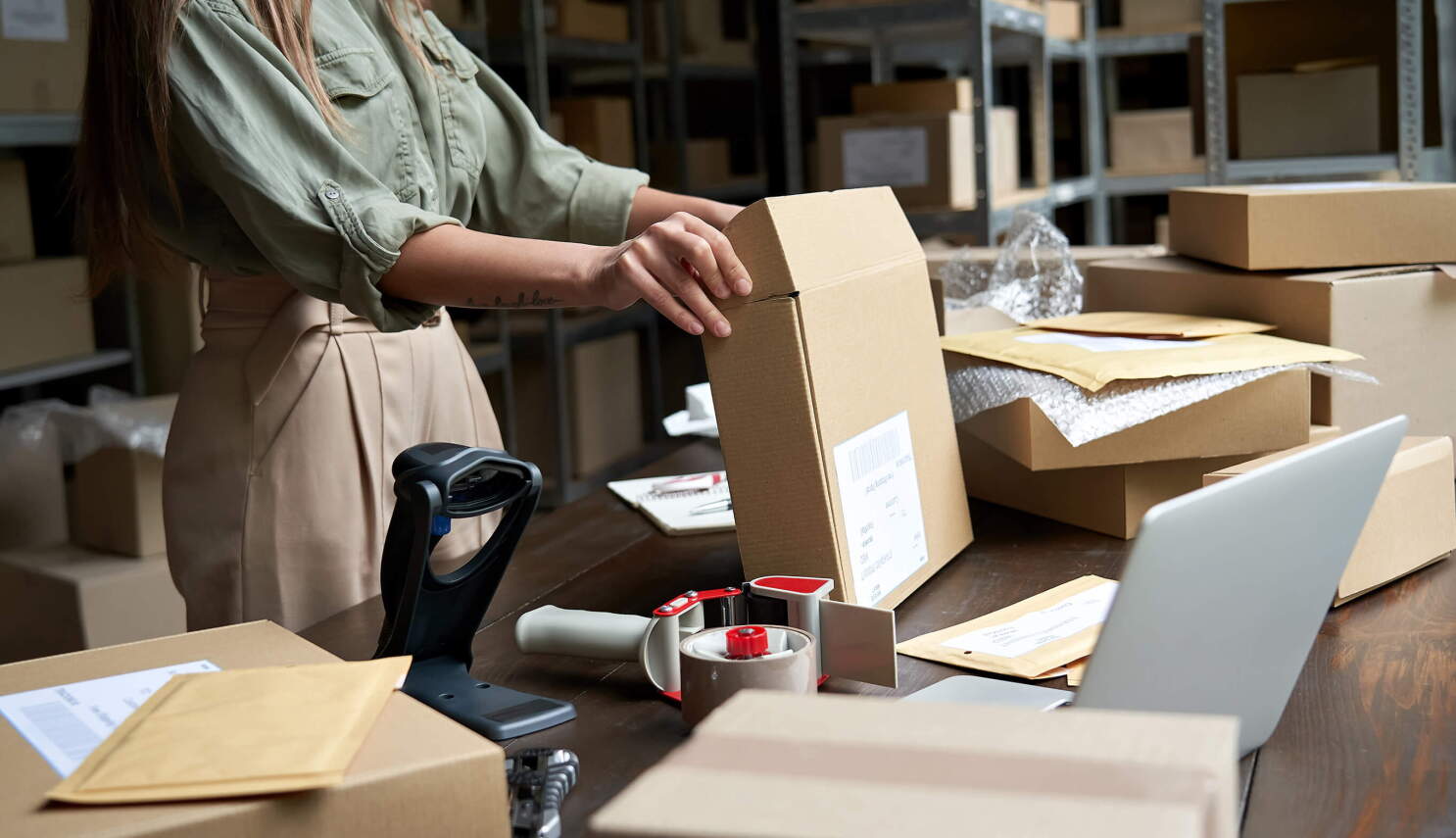
Shipping Costs Don’t Disappear—They Shift
When shipping is labeled “free,” the cost is absorbed elsewhere.
Retailers often offset it by:
- Increasing product prices
- Reducing promotional discounts
- Cutting operational margins
While this may protect short-term sales, it can weaken profitability over time.
Impact on Profit Margins
Shipping expenses include more than postage. They add up quickly when order volumes grow.
Common cost components include:
- Carrier fees and fuel surcharges
- Packaging materials and labor
- Warehousing and fulfillment operations
- Last-mile delivery expenses
For low-margin products, free shipping can eliminate profits entirely.
Higher Return Rates Increase Hidden Costs
Free shipping often encourages impulse buying—and returns.
Retailers face:
- Return shipping expenses
- Restocking labor costs
- Damaged or unsellable returned items
In industries like fashion, return-related shipping costs can quietly outweigh initial delivery expenses.
Pressure on Smaller Retailers
Large retailers can negotiate bulk shipping rates. Smaller businesses usually cannot.
This imbalance leads to:
- Higher per-order shipping costs
- Limited carrier options
- Reduced pricing flexibility
Free shipping can be far more expensive for independent sellers than for large marketplaces.
Inventory and Fulfillment Challenges
Offering free shipping often requires faster delivery expectations.
This can force retailers to:
- Hold inventory closer to customers
- Use multiple fulfillment centers
- Pay for expedited shipping methods
These changes increase operational complexity and overhead.
Customer Expectations Keep Rising
Once free shipping is offered, it becomes hard to remove.
Retailers risk:
- Customer dissatisfaction if policies change
- Increased competition on delivery speed
- Constant pressure to absorb rising carrier costs
What starts as a conversion tactic can turn into a permanent expense.
Strategic Alternatives to Blanket Free Shipping
Not all free shipping strategies are equal. Many retailers adopt smarter approaches.
Popular alternatives include:
- Free shipping with minimum order thresholds
- Loyalty-based free shipping programs
- Slower free shipping with paid express options
These models balance customer appeal with cost control.
Long-Term Business Sustainability
While free shipping can boost conversions, relying on it without a clear strategy can strain finances.
Sustainable retailers:
- Analyze shipping cost per order
- Adjust pricing transparently
- Optimize packaging and logistics
- Set realistic customer expectations
Understanding the true cost helps businesses grow without sacrificing stability.
Frequently Asked Questions (FAQs)
1. Is free shipping always necessary to compete online?
Not always—many shoppers accept shipping fees if pricing, speed, or value is clear.
2. Do customers prefer lower prices or free shipping?
Preferences vary, but transparency often matters more than the shipping label.
3. How do shipping carriers affect free shipping costs?
Carrier rate increases directly raise fulfillment expenses, even when shipping is advertised as free.
4. Can free shipping increase average order value?
Yes, minimum-order thresholds often encourage customers to buy more items.
5. Is free shipping more costly for international orders?
International shipping adds customs, duties, and higher carrier fees, making “free” shipping significantly more expensive.
6. Should startups offer free shipping from day one?
It depends on margins and logistics—many startups benefit from testing limited offers first.
7. Can technology help reduce free shipping costs?
Yes, inventory optimization, route planning, and demand forecasting can lower overall shipping expenses.
Meta Title
The Real Cost of Free Shipping for Retailers
Meta Description
Explore the real cost of free shipping for retailers, including hidden expenses, margin impact, returns, and smarter alternatives for sustainable growth.