How Virtual Reality Is Shaping the Future of Online Shopping
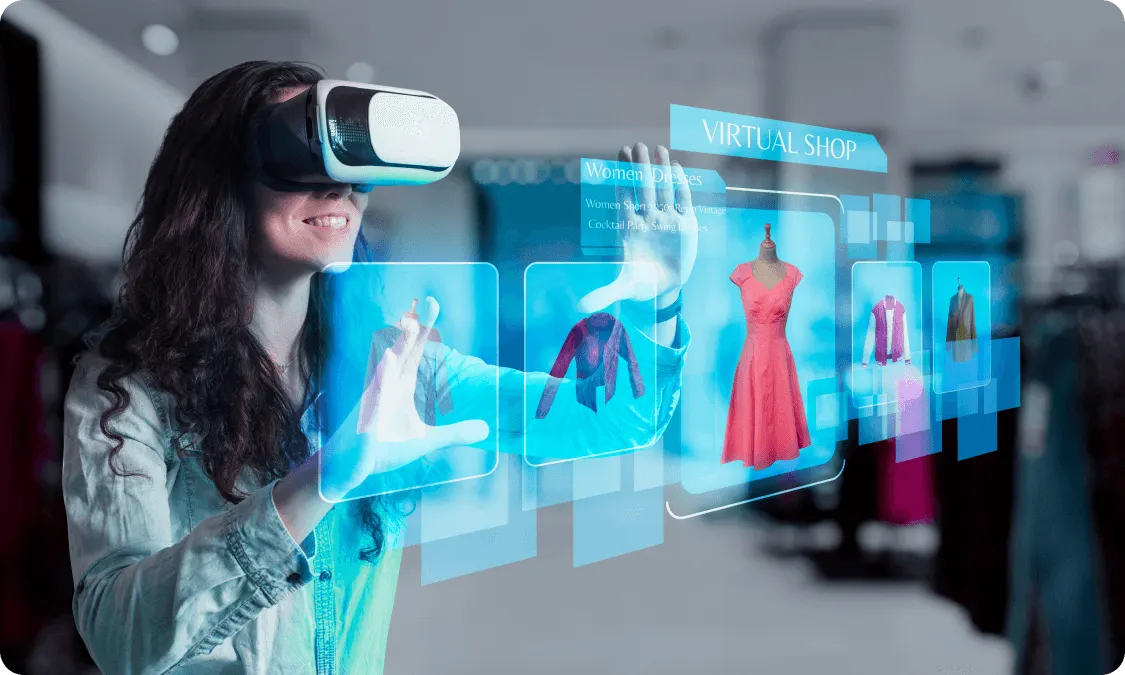
The retail industry has undergone one of the most profound transformations in history with the rise of e-commerce. What started as a simple digital alternative to traditional shopping has now evolved into a highly immersive experience powered by cutting-edge technologies. Among these, virtual reality (VR) stands out as one of the most revolutionary innovations shaping the future of online shopping.
The integration of virtual reality in e-commerce is bridging the gap between physical and digital retail experiences. It allows consumers to interact with products in realistic 3D environments, explore virtual stores, and make informed purchase decisions as if they were shopping in person. As retailers continue to invest in immersive technology, the future of online shopping is becoming more experiential, personalized, and emotionally engaging.
Understanding Virtual Reality in E-Commerce
Virtual reality is a technology that simulates an interactive, three-dimensional environment, allowing users to explore and manipulate virtual spaces using specialized headsets, motion sensors, or even mobile devices. In the context of e-commerce, VR creates digital shopping experiences that replicate the sensory and social aspects of traditional retail.
Unlike static product images or videos, VR allows consumers to visualize products to scale, walk through virtual showrooms, and engage in personalized product demonstrations. This immersive approach enhances consumer confidence and satisfaction, reducing the uncertainty that often accompanies online purchases.
The Evolution of Virtual Shopping Experiences
The idea of virtual shopping is not entirely new, but the technological advancements in recent years have made it far more accessible and effective. Early online shopping experiences were limited to 2D images and simple product listings. The next phase introduced augmented reality (AR), which allowed users to overlay digital images onto real-world environments through smartphones.
Virtual reality takes this concept further by placing consumers entirely within a digital environment. This leap in immersion has transformed how brands approach customer engagement. Virtual storefronts, interactive product experiences, and real-time customer assistance are redefining the concept of convenience and personalization.
How Virtual Reality Is Revolutionizing Online Shopping
1. Immersive Product Visualization
One of the most significant challenges in online shopping has always been the inability to physically interact with products. VR solves this issue by providing lifelike, 3D representations that customers can explore from all angles. For example, a shopper buying furniture can virtually enter a room, move items around, and visualize how they would fit within a real space.
This capability enhances decision-making by giving customers confidence in their purchases. Studies show that consumers who can virtually interact with products are more likely to buy and less likely to return items.
2. The Rise of Virtual Stores and Showrooms
Virtual stores are digital replicas of physical retail spaces that customers can explore using VR headsets or mobile applications. These virtual environments allow consumers to browse aisles, pick up products, and even check out with the same ease as in a physical store.
For retailers, this concept combines the best aspects of online and offline shopping. It eliminates geographical limitations while providing a familiar and engaging shopping experience. Customers can enjoy the thrill of browsing without leaving their homes, and brands can showcase products in dynamic, visually appealing ways.
3. Enhanced Personalization Through Data Integration
Virtual reality shopping experiences can be personalized through the integration of artificial intelligence and data analytics. By analyzing user behavior, preferences, and purchase history, VR platforms can create tailored virtual experiences.
For instance, when a user logs into a virtual store, the system can display recommended products, customized environments, and even virtual assistants that guide them based on their shopping habits. This level of personalization strengthens customer loyalty and increases conversion rates.
4. Social Shopping in Virtual Spaces
One of the unique aspects of VR shopping is the ability to recreate social interactions that are often missing from online retail. Consumers can shop with friends, consult with sales representatives, or attend virtual shopping events in real time.
Virtual environments allow for shared experiences where users can communicate through avatars, exchange opinions, and make collective purchasing decisions. This social component brings the community aspect of traditional shopping into the digital realm, enhancing engagement and emotional connection.
5. Reducing Returns Through Accurate Product Representation
Returns are one of the most costly challenges in e-commerce, often resulting from mismatched expectations between product images and reality. VR minimizes this issue by offering realistic, to-scale visualizations that allow shoppers to assess size, fit, and functionality before purchasing.
For example, a customer buying a new car online can explore every feature, test different configurations, and virtually sit inside before finalizing their purchase. This level of detail ensures that consumers make informed decisions, reducing post-purchase dissatisfaction.
6. Revolutionizing Fashion and Apparel Shopping
The fashion industry has been one of the earliest adopters of virtual reality in online retail. Virtual fitting rooms allow shoppers to try on clothes digitally, ensuring that they select the right style and size.
Advanced body scanning technology enables VR systems to create accurate avatars of customers based on their measurements. Users can then see how garments move and fit in real time, creating a more realistic and confidence-building experience compared to traditional product images.
7. Creating Virtual Pop-Up Events and Product Launches
Virtual reality has opened new avenues for marketing and brand engagement through immersive events. Instead of hosting physical pop-ups or trade shows, brands can organize virtual experiences that reach global audiences.
Shoppers can attend exclusive product launches, interact with brand ambassadors, and participate in interactive demonstrations. These events combine entertainment and commerce, creating lasting impressions that drive long-term brand loyalty.
The Role of Artificial Intelligence in Virtual Shopping
Artificial intelligence and VR often work hand in hand to create seamless and intelligent online shopping experiences. AI algorithms power virtual shopping assistants that interact with customers, answer questions, and offer recommendations based on behavioral data.
AI-driven VR environments also adapt dynamically. For example, if a user frequently shops for home decor, the virtual store might rearrange itself to highlight furniture or interior design collections. This continuous learning creates a feedback loop that refines personalization with every interaction.
Technological Advancements Driving VR E-Commerce
The future of virtual reality in online shopping depends on several emerging technologies that enhance accessibility and realism.
- 5G Connectivity: High-speed internet ensures smooth, lag-free VR experiences, enabling real-time interaction and data processing.
- Haptic Feedback Devices: These allow users to feel textures and resistance, adding a tactile dimension to virtual shopping.
- Eye-Tracking Technology: Enables systems to understand where users focus their attention, optimizing product displays and advertisements.
- Cloud-Based VR Platforms: Reduce the need for expensive hardware by processing complex graphics in the cloud, making VR more accessible.
These innovations are pushing VR shopping closer to mainstream adoption, allowing both consumers and businesses to benefit from immersive digital experiences.
Challenges in Implementing VR for Online Shopping
While virtual reality holds tremendous potential, several challenges must be addressed before it becomes ubiquitous in e-commerce.
1. Cost and Accessibility
High-quality VR headsets and compatible devices remain expensive for many consumers. However, as production scales and mobile-based VR solutions improve, costs are expected to decline significantly.
2. Technological Limitations
Even with advanced technology, rendering realistic environments requires powerful hardware and high-speed internet. Developing seamless, cross-platform VR experiences remains a technical hurdle for many retailers.
3. Privacy and Data Concerns
VR systems collect extensive user data, including behavioral patterns, preferences, and biometric information. Ensuring data protection and compliance with privacy regulations is essential to maintain consumer trust.
4. User Adoption
Many consumers are still unfamiliar with virtual reality technology or hesitant to use it for shopping. Education, marketing, and user-friendly designs are key to increasing adoption rates.
The Future of Virtual Reality in E-Commerce
Virtual reality is not just a passing trend; it represents the next frontier of e-commerce innovation. Over the next decade, VR is expected to become an integral part of how consumers explore, evaluate, and purchase products.
Key Future Trends Include:
- Fully Immersive Retail Metaverses: Digital spaces where brands, products, and consumers coexist in shared virtual ecosystems.
- Integration with Augmented Reality (AR): Hybrid experiences that combine real-world elements with digital overlays for enhanced realism.
- Sustainability Through Virtual Prototyping: Reducing waste by enabling consumers to preview and customize products before manufacturing.
- Voice and Gesture Control: Hands-free navigation that makes virtual shopping more intuitive.
- Virtual Payments and Cryptocurrency Integration: Seamless digital transactions within VR environments, powered by blockchain technology.
The long-term potential of virtual reality lies in its ability to transform shopping into an emotional, sensory experience that transcends physical boundaries.
FAQs
1. How does virtual reality improve the online shopping experience?
Virtual reality enhances online shopping by providing immersive, interactive experiences where consumers can explore products in 3D, simulate real-life environments, and make more informed decisions.
2. What industries benefit most from VR shopping?
Fashion, furniture, real estate, automotive, and luxury goods industries are leading adopters, using VR to offer detailed visualizations and interactive product demonstrations.
3. Do customers need expensive equipment to experience VR shopping?
Not necessarily. Many VR shopping experiences are available through smartphones and affordable headsets, while advanced systems offer more immersive environments.
4. How does VR affect customer engagement?
VR boosts engagement by creating interactive, emotionally engaging experiences that make customers feel more connected to products and brands.
5. What is the future of virtual reality in e-commerce?
VR will evolve toward fully integrated digital ecosystems, offering hyper-personalized experiences, real-time social shopping, and sustainable virtual retail environments.
As technology matures, virtual reality is shaping the future of online shopping by redefining how consumers interact with digital products and brands. Its ability to merge immersion, convenience, and personalization will make VR the cornerstone of the next generation of e-commerce innovation.